

Ever wondered how much a single painting can fetch? Picture this: $450 million for Leonardo da Vinci's "Salvator Mundi." Sounds crazy, right? But that's not all. The world of high-priced art transactions is full of jaw-dropping figures. From Willem de Kooning's "Interchange" at $300 million to Paul Cézanne's "The Card Players" at $250 million, these sales aren't just about price tags—they tell stories of cultural importance and market dynamics. Let’s dive into the top ten most expensive art pieces sold and see what makes them worth their astounding prices.
Record-Breaking Art Sales: The Top Ten Most Expensive Artworks
Art sales can reach astonishing prices, with collectors paying hundreds of millions for singular masterpieces. Some of these sales have set records, highlighting the intersection of art, history, and wealth.
Here's a list detailing the ten most expensive artworks ever sold, showcasing their value and the artists behind them:
- "Salvator Mundi" by Leonardo da Vinci – $450 million (2017)
- "Interchange" by Willem de Kooning – $300 million
- "The Card Players" by Paul Cézanne – $250 million
- "Nafea Faa Ipoipo?" by Paul Gauguin – $210 million
- "Number 17A" by Jackson Pollock – $200 million
- "The Standard Bearer" by Rembrandt – $198 million
- "Shot Sage Blue Marilyn" by Andy Warhol – $195 million
- "No. 6 (Violet, Green, and Red)" by Mark Rothko – $186 million
- "Wasserschlangen II" by Gustav Klimt – $183 million
- "Portraits of Maerten Soolmans and Oopjen Coppit" by Rembrandt van Rijn – $180 million
These record-breaking art sales are more than just significant financial transactions; they're cultural events. Each sale reflects not only the intrinsic value of the artwork but also its historical significance and the prestige of owning a piece of art history.
The value of these pieces often appreciates over time, making them not just treasures but investments. For collectors, acquiring such works is a statement of both wealth and taste, with each piece holding a unique place in the narrative of art history. It's fascinating how these sales underscore the ongoing dialogue between art and economics, where passion meets investment in a canvas or sculpture.
Iconic Artists Behind the Most Expensive Artworks
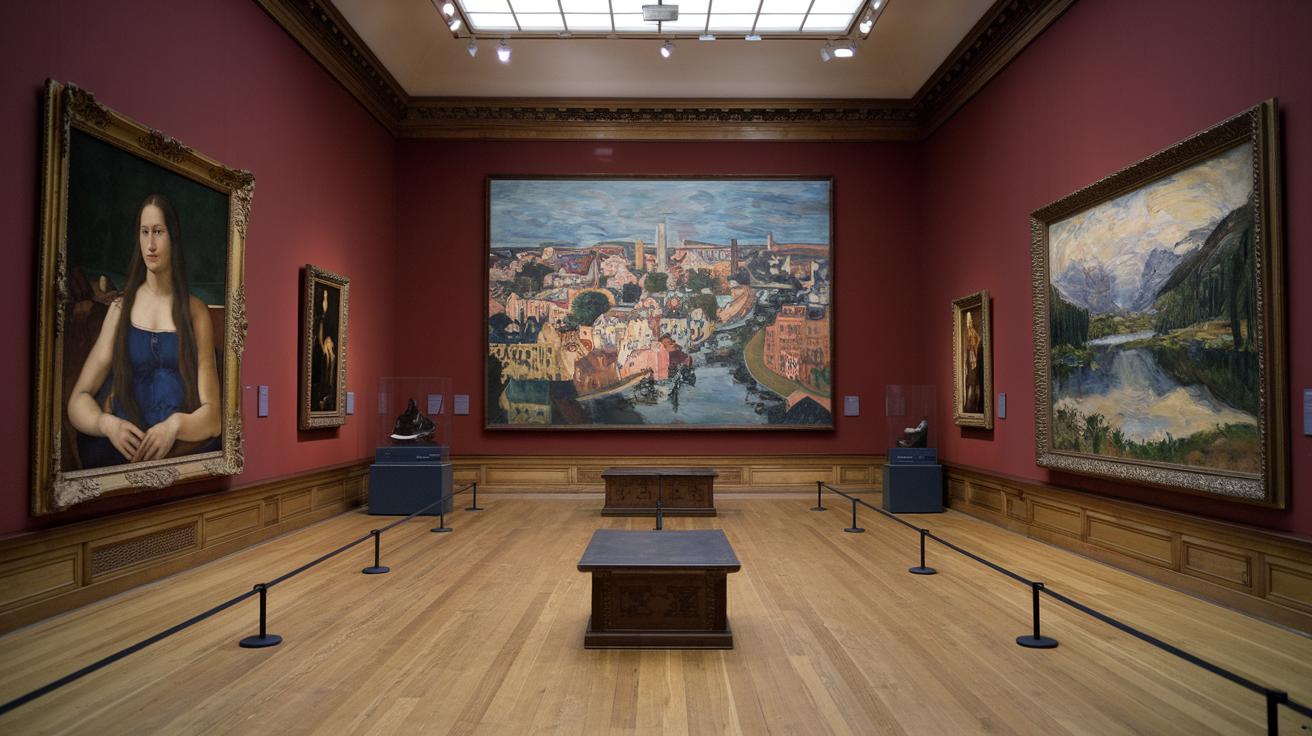
Art isn't just about the canvas or the paint. It's about the visionaries who create these masterpieces. Ever wondered who the geniuses are behind the most expensive artworks ever sold? The answer: Leonardo da Vinci, Willem de Kooning, and Paul Cézanne. These renowned artists have left their mark on art history with their unique styles and profound influences.
Leonardo da Vinci
Why is Leonardo da Vinci considered a master artist? Precision: He was a pivotal figure in the Renaissance, blending art and science seamlessly. Da Vinci's works, like "Salvator Mundi," showcase his mastery over realism and anatomy. His innovative techniques and keen observation brought figures to life, influencing artists long after his time. Leonardo's legacy isn't just about his paintings but his ability to push the boundaries of what's possible in art.
Willem de Kooning
What's Willem de Kooning's contribution to art? Precision: He played a key role in the abstract expressionist movement. De Kooning's energetic brushstrokes and abstract forms challenged traditional painting styles. His work, such as "Interchange," exemplifies a raw, emotional approach that speaks to the chaos and beauty of the human experience. De Kooning's influence on modern art is undeniable, encouraging a bold departure from realistic representation.
Paul Cézanne
How did Paul Cézanne shape modern art? Precision: By pioneering the post-impressionist movement. Cézanne's innovative use of color and geometric forms laid the groundwork for future art movements like cubism. His piece, "The Card Players," highlights his ability to capture the essence of his subjects, bridging the gap between impressionism and modern art. Cézanne's work continues to inspire artists to explore new perspectives and techniques.
Understanding the Art Market: Trends and Influences
The art market is a global powerhouse, constantly shifting with economic changes and cultural shifts. It's like a living, breathing entity that responds to the world around it. You might wonder, what causes these art market trends to fluctuate so wildly? Precision: Economic prosperity often leads to higher art sales, as more people have the means to invest in valuable pieces. Additionally, cultural factors, such as increased interest from international collectors, can drive prices up as well.
Now, let's look at some specific trends and influences over the years. This table gives a snapshot of how the art market has changed and what's driven these changes.
| Year | Market Trend | Influence |
|——|————————-|———————————————|
| 2008 | Decline in art sales | Global financial crisis impacted spending |
| 2011 | Surge in modern art | Emerging markets and new collectors |
| 2020 | Digital sales increase | COVID-19 pandemic pushed online auctions |
The table above highlights key moments in recent art market history. In 2008, the global financial crisis led to a decline in art sales as collectors tightened their wallets. By 2011, the art world saw a surge in modern art sales, driven by the rise of emerging markets and new collectors eager to invest in contemporary works. Then, in 2020, the COVID-19 pandemic spurred a shift towards digital sales, as galleries and auction houses adapted to the restrictions by moving online.
These trends show how external factors, whether economic or technological, can significantly impact the art market. For collectors and investors, understanding these influences is crucial. It can guide decisions on when to buy or sell and help anticipate future shifts in art values. The interplay between the global economy and cultural interest makes the art market a fascinating yet complex field to navigate.
The Role of Auction Houses in Art Valuation
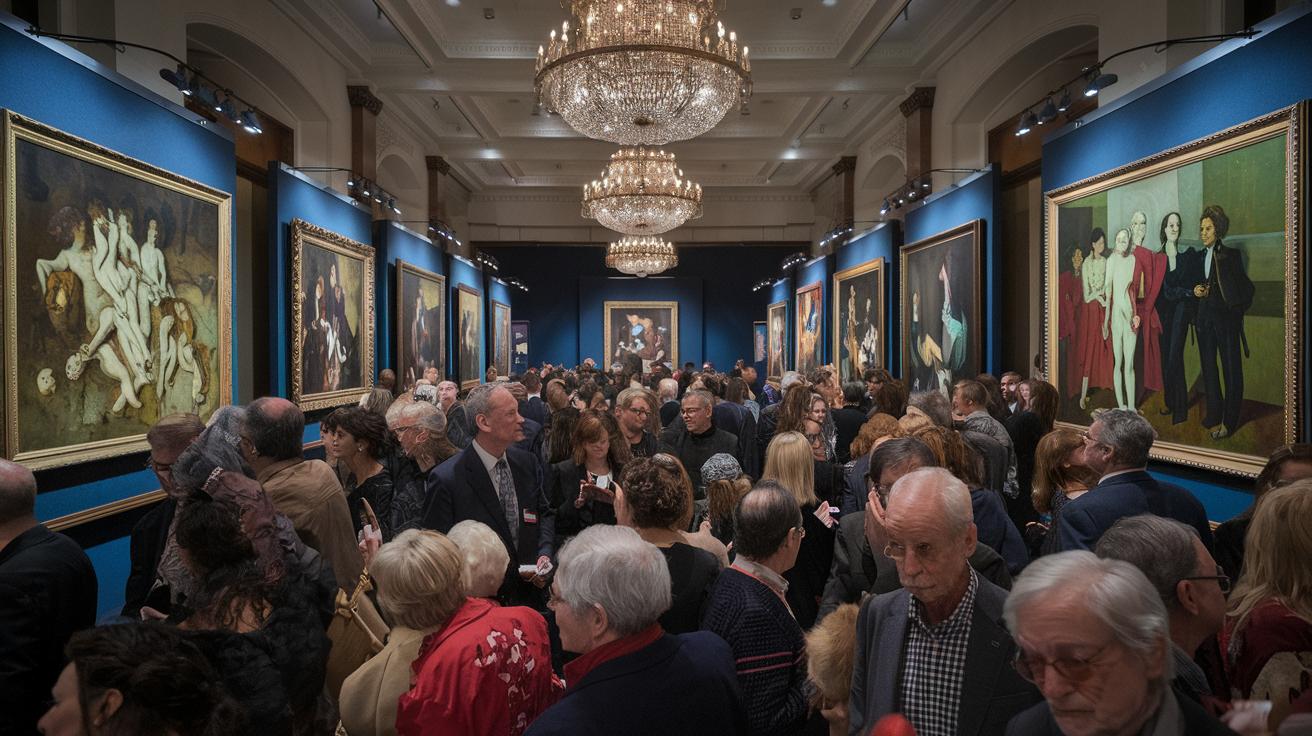
Auction houses are like the gatekeepers of the art world. They determine how much a piece is worth and who gets to own it. But how exactly do they do this? Precision: Auction houses, such as Christie's and Sotheby's, use their vast expertise and networks to appraise art and attract high-profile collectors. They assess the artwork's historical significance, condition, and provenance (origin history) to set starting bids. This process influences the final sale price, sometimes setting new records.
Here's a list of the top auction houses and some of their notable sales:
- Christie's – Facilitated the sale of "Salvator Mundi"
- Sotheby's – Known for high-profile art auctions
- Phillips – Specializes in modern and contemporary art
The importance of auction houses in art valuation can't be overstated. Through their global reach and reputation, they not only determine the market value of artworks but also drive trends. When a piece sells for a record price at auction, it can increase the value of similar works and set new benchmarks in the art world. This ripple effect can transform how art is appreciated and collected globally.
Art as an Investment: Insights and Strategies
Why is art considered a valuable investment? Precision: Art investment offers a way to diversify portfolios, similar to how one might invest in stocks or real estate. Unlike volatile markets, art can appreciate over time, sometimes in unexpected ways that outpace other types of investments. This makes it an appealing option for those looking to safeguard and potentially grow their wealth. But, like any investment, it requires knowledge and insight.
Here are some strategies to consider when investing in art:
- Diversifying portfolios with art
- Understanding market trends
- Evaluating artist reputation
- Importance of provenance and authenticity
The rewards of art investment can be substantial. A well-chosen piece might appreciate significantly in value, sometimes becoming a cultural icon. However, this isn't without risks. Art markets can be unpredictable, influenced by trends and the economy. Plus, art doesn't provide regular income like dividends or interest. So, while it can be a valuable part of a wealth management strategy, it requires careful consideration and expertise to navigate successfully.
Final Words
The world of record-breaking art sales is fascinating, isn’t it? Big players like "Salvator Mundi" by Leonardo da Vinci show us just how high the stakes can get, hitting an astonishing $450 million. These top ten most expensive art pieces capture more than just value; they hold stories, history, and emotions on canvas.
Art changes by moods and times, with trends shifting alongside our world. As auction houses and savvy investors dance in this market, they shape how we see and value art. It's a thrilling story blending creativity and commerce in thrilling ways. Keep exploring these beautiful intersections, where art brings both delight and investment potential.
FAQ
What is the most expensive art sold ever?
"Salvator Mundi" by Leonardo da Vinci is the most expensive art ever sold. It fetched $450 million in 2017.
How much is the Mona Lisa worth?
The "Mona Lisa," by Leonardo da Vinci, is considered priceless and not for sale. Its insurance valuation exceeds $800 million.
What is the 10 most expensive painting in the world?
The top ten paintings include:
- "Salvator Mundi" – $450 million
- "Interchange" – $300 million
- "The Card Players" – $250 million
- "Nafea Faa Ipoipo?" – $210 million
- "Number 17A" – $200 million
- "The Standard Bearer" – $198 million
- "Shot Sage Blue Marilyn" – $195 million
- "No. 6 (Violet, Green, and Red)" – $186 million
- "Wasserschlangen II" – $183 million
- "Portraits of Maerten Soolmans and Oopjen Coppit" – $180 million
Most expensive art sold at auction in 2024?
Currently, there's no record of the most expensive artwork sold at auction in 2024.
Who owns the most expensive painting in the world?
The owner of "Salvator Mundi," the most expensive painting, is not publicly confirmed, though it is rumored to belong to a Saudi prince.
What is Salvator Mundi?
"Salvator Mundi" is a painting by Leonardo da Vinci, depicting Christ. It holds the record for the highest auction sale price ever.
Who painted "Interchange" and what is its worth?
"Interchange" by Willem de Kooning sold for $300 million, making it the second most expensive painting.
How does art pricing work at auction houses?
Auction houses like Christie's and Sotheby's evaluate and sell artworks. They set sales records due to their expertise and vast network, attracting elite collectors.
