

Have you ever wondered who really foots the bill when a tariff is slapped on imported goods? You might think it's the exporting country, but surprise—it's actually the domestic importer, usually a company right in your hometown. This importer can then decide: either eat the cost, which could eat into profits or trickle down as lower wages, or pass it along to us, the consumers, through higher prices. So, what seemed like a distant economic term suddenly becomes personal, affecting what we pay for everyday items. Let's unpack how this all unfolds.
Understanding Who Pays a Tariff
A tariff is a tax on imported goods. But who actually pays this tax? The importer, usually a domestic business, is the one who foots the bill. It’s not the country sending the goods that pays. For instance, if the U.S. places a tariff on French wine, the American company importing the wine pays the tax to U.S. Customs, not the French winery.
How do importers handle this extra cost? They’ve got a few options. Some might push the cost onto their customers by raising prices. It’s like when a store charges a bit more for bread after the cost of flour goes up. Others might decide to take the hit themselves, which could mean smaller profits or even trimming back on employees' paychecks. Sometimes, they’ll look for suppliers in countries without tariffs to cut costs.
For consumers and businesses, the ripple effects can be pretty noticeable. When importers pass on the tariff costs, everyday shoppers might find items like electronics or clothes more expensive than before. For businesses that rely on imported materials, costs go up, and in turn, they might have to increase their own prices. All these shifts can make things a bit tricky for both shoppers trying to stick to a budget and businesses aiming to stay competitive.
Tariff Effects on Trade and Pricing

What happens when a tariff is placed on goods? In the short term, prices for those imported goods often jump. Why? The extra cost of the tariff usually gets passed down to the consumer. So, if you notice that your favorite imported cheese costs more, a tariff might be the culprit. But it doesn't end there. Over time, the lack of competition—since fewer imports might come in—can create inefficiencies. This can lead to even higher prices, not just for imported goods, but for similar domestic products too. So, those tariffs, while aiming to protect local industries, can sometimes make things pricier for everyone.
Here’s how tariffs can mess with the economy in other ways:
- Currency values: Tariffs can cause fluctuations in currency exchange rates as countries adjust their monetary policies.
- Interest rates: Central banks might tweak interest rates to stabilize their economies in response to tariffs.
- Inflation: Higher prices from tariffs can lead to inflation, affecting the cost of living.
- Trade balances: Tariffs can alter trade balances by reducing the volume of imports and exports.
- Supply chain disruptions: Tariffs might make it tricky for companies to get the materials they need.
Looking at the bigger picture, tariffs can shake up international trade. Countries hit with tariffs might retaliate with their own, leading to trade wars. This tit-for-tat can make global commerce pretty tense, affecting everything from how much stuff gets traded to who trades with whom. Plus, businesses might find themselves scrambling to find new suppliers or markets, which can be a bumpy ride. And while tariffs can give a temporary boost to local industries, the broader economic impact might be a bit of a mixed bag.
Historical Context and Examples of Tariffs
Back in the day, tariffs were a big deal for the U.S. government. Before the Civil War, they were like the government’s cash cow, bringing in nearly 90 percent of federal revenue. That’s a lot! Think about how much the U.S. relied on tariffs to fund its operations. It wasn't just a minor line item in the budget—it was the main event. But fast forward to 2016, and tariffs only made up about 1 percent of tax collections. That's quite the fall from grace, right?
Here are some key moments in tariff history:
- Smoot-Hawley Tariff (1930): Aimed to protect U.S. industries during the Great Depression but led to international trade retaliation.
- Tariff of Abominations (1828): Sparked Southern outrage due to high duties that favored Northern industries.
- Reciprocal Trade Agreements Act (1934): Allowed the president to negotiate tariff reductions, promoting freer trade globally.
- Tariff Act of 1789: The first major tariff in U.S. history, designed to generate revenue for the federal government and protect budding American industries.
Over time, the importance of tariffs has shifted. They've gone from being a primary source of income to just a small part of the financial picture. Why? Countries began to favor trade agreements that reduced barriers, encouraging a more open global market. Tariffs now play more of a strategic role, used to influence trade rather than just fill the government’s coffers. It's like they’ve gone from leading actors to supporting roles.
Tariffs and Their Economic Implications
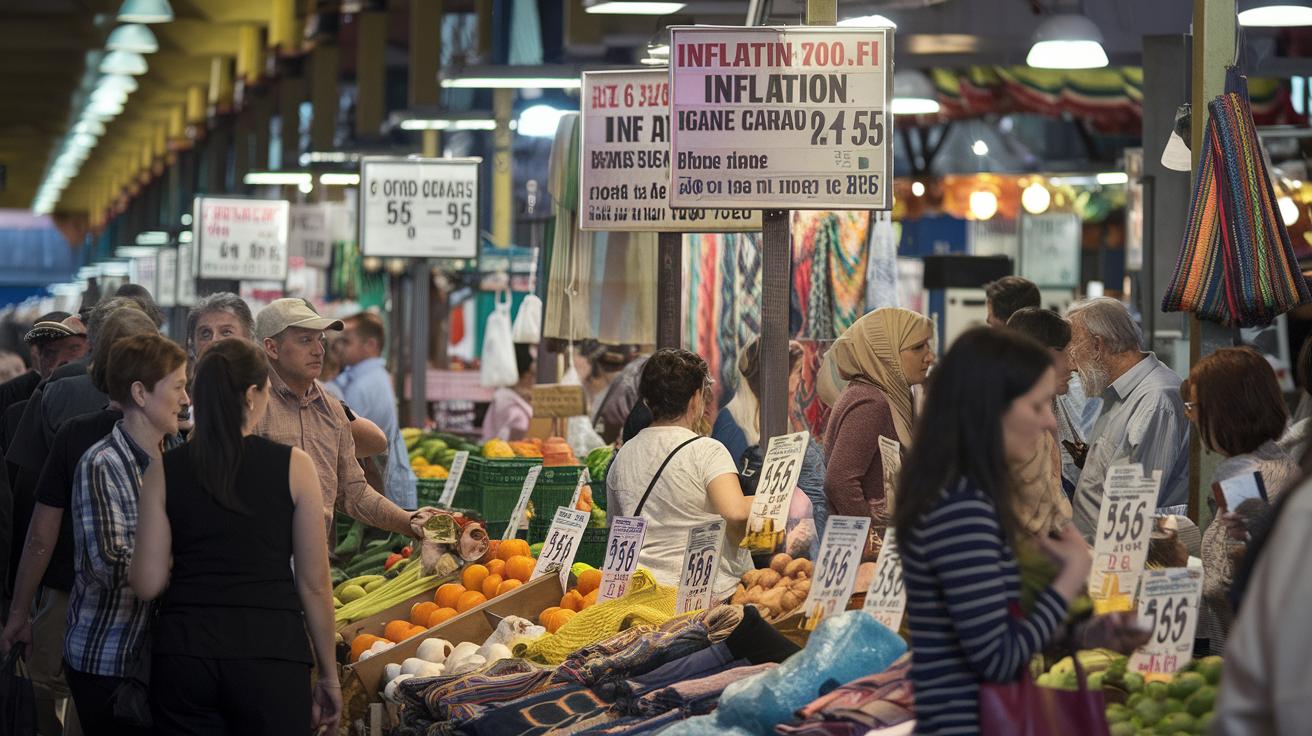
Tariffs can be quite the burden on both businesses and consumers. When an importer faces a tariff, they often pass this extra cost onto the consumer, leading to higher prices for goods. Imagine you’re buying a toy made overseas; the tariff means you might pay more than before. For businesses, especially those relying heavily on imports, this can lead to increased operational costs. They have to decide whether to absorb the cost, affecting their bottom line, or increase prices, which might drive customers away. It’s a tricky balancing act, with ripple effects that can be felt across the market.
Tariffs have an interesting dance with inflation. By making imported goods more expensive, they can contribute to inflation—basically, a rise in the overall price level in an economy. This is because businesses often raise their prices to cover higher import costs. When prices go up, it impacts purchasing power, meaning your dollar doesn’t stretch as far. From an economic strategy perspective, some argue that tariffs can protect local jobs and industries by making foreign goods pricier and less attractive. But this protection might come with a cost, as it can lead to inefficiencies and reduced competitiveness in the long run.
As a revenue source, tariffs have their limitations. They’re not a major player in government earnings anymore. Historically, they were a big deal, but now they account for just a tiny fraction of tax revenue. One issue is their regressive nature, meaning they disproportionately impact lower-income households. These folks spend a larger portion of their income on goods, so price hikes hit them harder. Relying on tariffs for government spending isn’t practical, given their relatively minor contribution and uneven impact on society.
Economic Debate on Tariffs
The debate over tariffs is ongoing and heated. Some argue they’re necessary for protecting domestic industries and jobs, while others highlight the downsides—like higher consumer prices and strained international relations. Are tariffs a fair tool in economic policy? That’s the big question. Critics say they can lead to retaliatory measures from trading partners, sparking trade wars. Supporters claim they’re essential for leveling the playing field. The truth might lie somewhere in between, with tariffs being just one part of a complex economic strategy.
Current Tariff Policies and Global Examples
Recent U.S. tariff policies have been quite the hot topic, especially during the Trump administration. These policies aimed to protect American industries by imposing tariffs on imports from countries like Canada, Mexico, and China. The focus was on products such as steel and autos, with the intention of boosting domestic production and shielding local jobs. But did it work? Well, evidence suggests that these tariffs mainly hit U.S. firms and consumers. Prices for imported goods rose, leading to higher costs for businesses and, ultimately, consumers at the checkout line.
Globally, tariffs have been used for various reasons, and their impacts can be just as diverse. Take China, for instance. They’ve retaliated with their own tariffs on U.S. goods, affecting agricultural products like soybeans. This move was intended to pressure U.S. exporters and balance trade dynamics. Over in the European Union, tariffs have been placed on U.S. bourbon and motorcycles in response to U.S. steel and aluminum tariffs, aiming to protect their industries. These examples show how tariffs can lead to trade tensions and shifts in global market dynamics.
| Country | Targeted Products | Impact |
|---|---|---|
| U.S. | Steel, Autos | Increased costs for American consumers and businesses |
| China | Agricultural Products | Pressured U.S. exporters, affecting trade balance |
| EU | Bourbon, Motorcycles | Retaliation to protect EU industries |
Final Words
Tariffs are like a tax puzzle. They're paid by importers, not the exporting countries. But who pays a tariff trickles down, often touching consumers through higher prices. Importers grapple with these costs, juggling between absorbing them or passing them on.
From affecting trade dynamics to historical significance, tariffs have played vital roles. They impact pricing, influence economic factors, and even stir debates on their fairness and effectiveness in policy.
In today's world, understanding tariffs provides a clearer picture of global trade's many layers. Stay curious and explore the intricate dance of international economics!
FAQ
Who pays tariff importer or exporter?
The importer pays the tariff. It is a tax imposed on imported goods and is usually paid by the domestic company bringing those goods into the country.
Who pays tariffs on exports?
Generally, tariffs are paid on imports, not exports. So, the importer of a product pays the tariff, not the exporter.
What is a tariff?
A tariff is a tax on goods entering a country. It aims to make imported goods more costly to encourage buying domestic products.
Who gets the proceeds from the tariffs, and what is the money used for?
Governments collect tariff money and use it for public spending, reducing budget deficits, or influencing trade balance by making imports more expensive.
Tariff example?
A well-known example was the U.S. steel tariffs, where a tax was imposed on imported steel to protect domestic producers.
Who benefits from tariffs?
Domestic industries and workers benefit as tariffs protect them from cheaper foreign competition. It might also boost local economies initially.
Where does tariff money go?
Tariff money goes to the government's treasury. It's used for public services, infrastructure, and covering the gap between public spending and revenue.
Do consumers pay tariffs?
Indirectly, yes. Importers may pass tariff costs to consumers through higher prices, affecting the price tags on store shelves.
Who pays the price of a tariff?
Typically, the importer pays initially. But eventually, consumers might pay more due to the increased cost of goods.
Does the buyer or seller pay tariffs?
The buyer, specifically the importer, pays tariffs. This is usually the domestic firm importing the product into the country.
Who pays the customs tariff?
The importing company is responsible for paying customs tariffs. They settle it at the border before the product enters the market.
How does the tariff work?
A tariff is added to the cost of an imported good, raising its price. This makes domestic goods more competitive compared to foreign goods.
