

Did you ever expect to see so many well-known brands vanish in 2024? I mean, we’re talking major names across retail, hospitality, and more. The collapse of these giants wasn't just a shock to their loyal customers—it also left a massive gap in the job market. Imagine about 146,500 workers suddenly at risk or out of work. Yikes. This year has shaken entire sectors due to soaring costs and changing consumer habits. Let’s explore the reasons behind these business failures and their far-reaching impact.
Major Brands Who Went Bust in 2024: An Overview
In 2024, a wave of financial distress hit many major brands, leading to closures and widespread job losses. An estimated 146,500 workers either lost their jobs or faced the threat of redundancy. The retail and hospitality sectors were particularly hard-hit. Rising operational costs and shifts in consumer behavior were major culprits, pushing many businesses to the brink. Companies couldn't keep up with the growing expenses and changing market demands, marking a challenging year for these industries.
Beyond retail and hospitality, other sectors weren't spared. Financial services, manufacturing, media, sports, and construction industries also faced significant challenges. Many brands in these areas found themselves restructuring, downsizing, or shutting down entirely. The economic strain was felt nationwide, as financial pressures mounted and companies struggled to maintain their footing in a rapidly changing environment.
- Retail
- Hospitality
- Financial Services
- Manufacturing
- Media
- Sports
- Construction
Retail Bankruptcy: Major Retailers Collapse in 2024
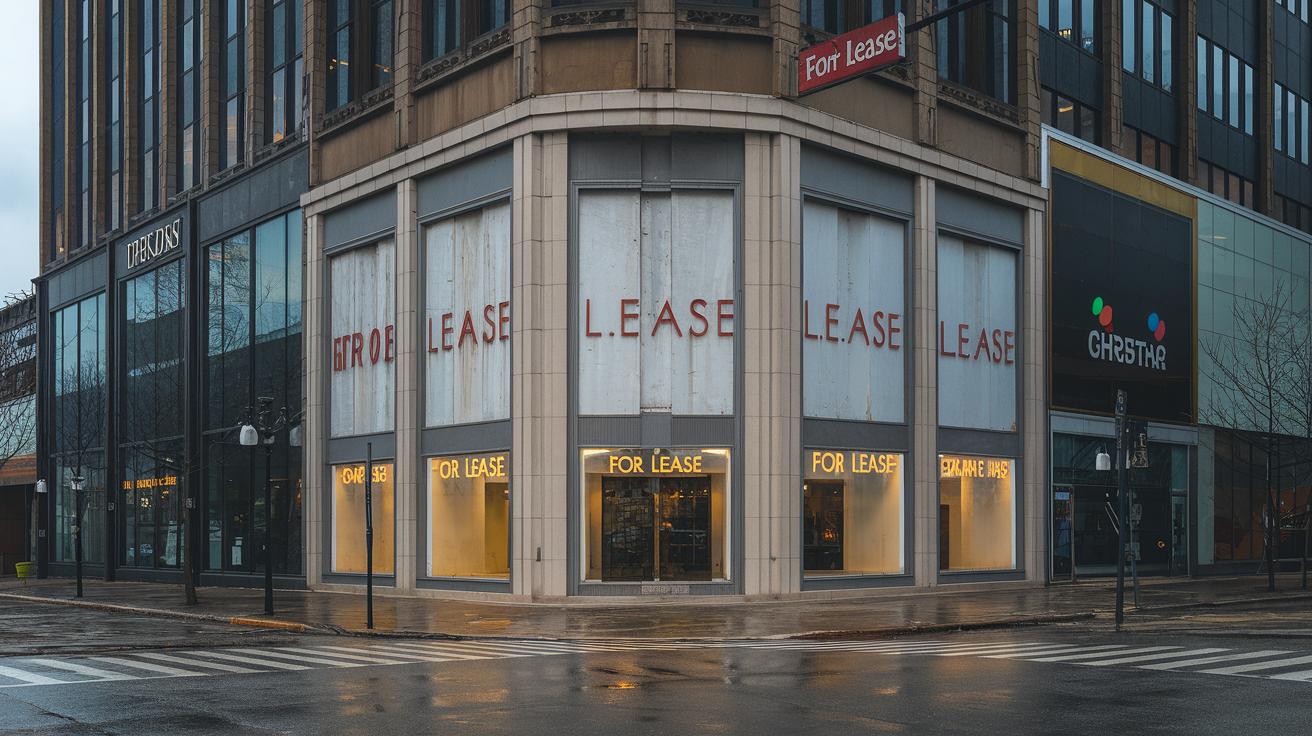
Why did so many retailers go bankrupt in 2024? Well, the reasons are fairly straightforward. High debt levels and an inability to adapt to changing consumer habits played big roles. Rising operational costs made it tough for retailers to keep their doors open. For instance, Avon couldn’t manage its £1bn debt, leading to its bankruptcy. Companies like Homebase struggled when they couldn’t find new buyers, forcing them into administration. Traditional retail giants found themselves unable to compete with the booming online market and evolving customer preferences—resulting in numerous closures.
The fallout from these bankruptcies sent shockwaves through the retail world and beyond. Thousands of employees found themselves out of work, as store closures meant massive job losses. In the case of Boots, the closure of around 300 stores significantly affected local economies, especially in areas heavily reliant on retail jobs. The retail landscape itself shifted dramatically, with vacant store fronts becoming a common sight on high streets. The closures reflected a broader trend of consolidation and downsizing, impacting not just workers but also communities that depended on these stores.
If we look at specific cases, Avon and Boots stand out. Avon’s financial troubles were largely due to its substantial debt, which it couldn't overcome. Boots, on the other hand, planned to close a total of 650 outlets as part of a larger restructuring strategy. This was a bid to streamline operations and cut losses. Meanwhile, brands like Muji, Matches, and Farfetch also faced their own struggles, each succumbing to financial pressures in their way. These cases highlight the varied challenges retailers faced and the stark reality of retail chain failures in 2024.
| Retailer | Reason for Closure | Number of Stores Closed |
|———–|——————————-|————————-|
| Avon | £1bn debt | Not specified |
| Boots | Restructuring strategy | 300 |
| Homebase | Failed to find a new buyer | Not specified |
| Muji | Financial pressures | Not specified |
| Matches | Continued business losses | Not specified |
Economic Challenges and Industry Disruptions Leading to Corporate Bankruptcies
What drove so many companies to bankruptcy in 2024? Rising costs and shifting markets played a huge part. Businesses struggled to cope with increasing operational expenses and rapidly changing consumer demands. Inflation also didn't help, squeezing profit margins and making it tough for companies to stay afloat. Industries like manufacturing, financial services, and media were hit hard. British Steel, for example, faced the potential closure of blast furnaces, putting 2,500 jobs at risk. Deloitte had to cut 530 jobs thanks to financial pressures. The media industry wasn't spared either, with Reader's Digest shutting down amid the digital shift.
Industries faced unique challenges, each grappling with its own set of disruptions. Manufacturing saw rising raw material costs and a demand for greener practices, which not every company could afford. In financial services, regulatory changes and technological advancements meant traditional firms were constantly playing catch-up. Media companies, like Axis Studios, struggled with the pivot to on-demand content, leaving some unable to compete. These challenges weren't just about numbers; they were about adapting to a new world where the old ways of doing business just didn’t work anymore.
- Manufacturing: British Steel's potential closure affecting 2,500 jobs.
- Financial Services: Deloitte's job cuts.
- Media: Reader's Digest's closure.
Failed Startups and Technological Disruption in 2024
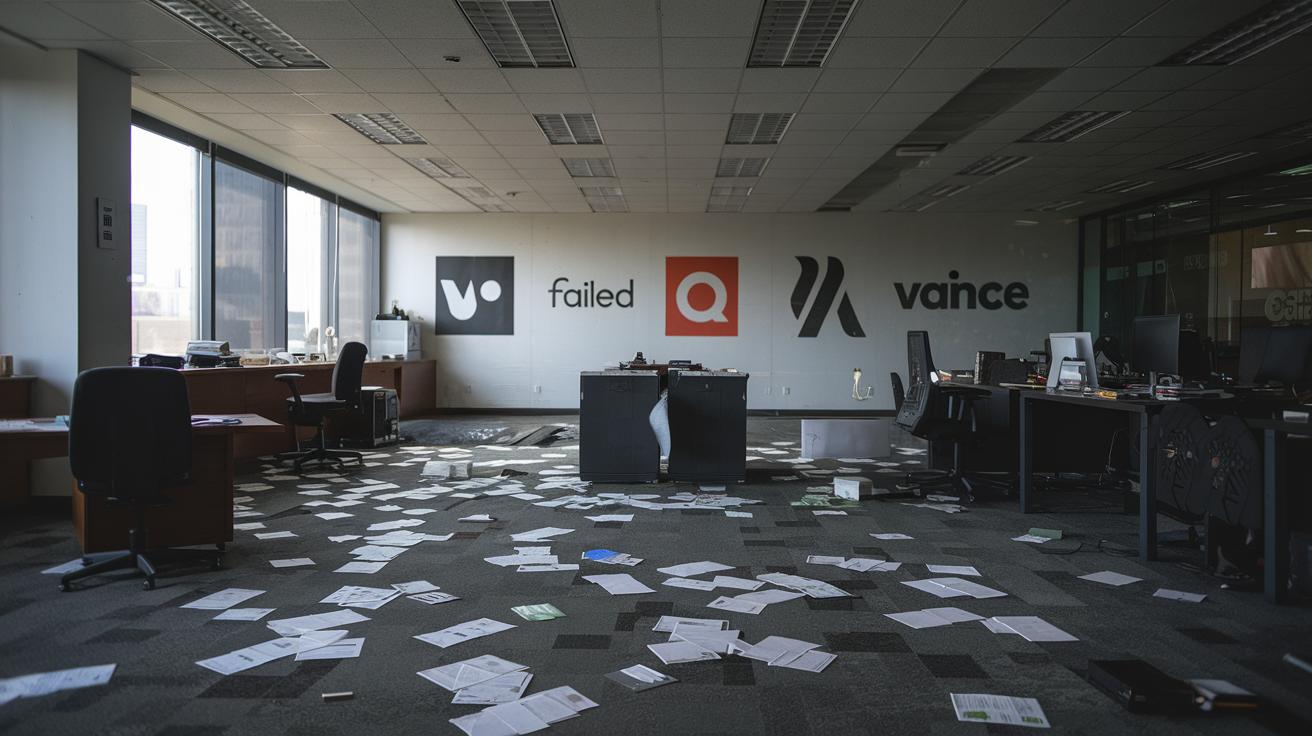
Why did so many startups fail in 2024? The answer lies in technological disruption. Many startups couldn't keep up with the rapid pace of technological changes. Companies like Infarm and Lilium struggled with operational inefficiencies—meaning their systems and processes didn't work as smoothly as needed. They just couldn't pivot fast enough to adapt to new tech trends and market expectations. This led to their financial downfall and eventual insolvency.
Market changes also played a big role. Startups had to adjust to shifting consumer preferences and economic conditions that weren't always favorable. For instance, companies that thrived during the Covid boom found themselves in trouble once the world returned to a new normal. Brands like Allplants faced financial difficulties because they couldn't sustain the demand that had skyrocketed during the pandemic. Similarly, Arrival, which was once a promising electric vehicle maker, filed for administration in the UK. The market's shift away from initial hype left them struggling.
Specific cases highlight these challenges. Infarm, dealing with costly operational inefficiencies, couldn't manage as costs rose. Lilium, a company once buzzing with excitement over flying taxis, saw its share price plummet by 93% post-IPO. Such failures show how startups, despite their innovative ideas and early success, can falter when market dynamics and tech disruptions don't align with their business models. The harsh reality is that staying ahead in tech requires constant adaptation, which not every startup can achieve.
- Allplants: Financial difficulties post-Covid boom.
- Arrival: UK's administration filing.
- MaaS Global: Bankruptcy after raising over $162m.
The Impact of 2024's Major Brand Failures on the Economy
What was the economic impact of major brand failures in 2024? A big one. The closures led to a cascade of effects across multiple sectors. Direct impacts included thousands of job losses, as businesses shut their doors and laid off employees. Indirectly, these closures rippled through the economy, affecting suppliers, local communities, and even other industries. The financial crisis of 2024 saw a notable decline in consumer confidence. People became more cautious with their spending, wary of the unstable job market and uncertain economic future. This shift in consumer behavior only added to the challenges, creating a tough cycle for businesses trying to recover.
How did these closures shift market dynamics? A lot. The downfall of major brands forced significant changes in the market. Smaller businesses, once overshadowed by big names, found new opportunities to fill the gaps left behind. Yet, they also faced challenges. Increased competition and changing consumer demands made it a tough environment to thrive in. Employment sectors saw shifts too. As traditional retail jobs disappeared, workers needed to adapt and find roles in emerging sectors like tech or green industries. But not everyone could make the transition smoothly, leaving many in a tough spot.
- Decline in consumer confidence.
- Changes in market dynamics.
- Shifts in employment sectors.
Final Words
In 2024, we saw major brands crumble, from trusted retailers to ambitious startups, prompting a wave of job losses and changes in various sectors. Retail giants like Avon and Boots vanished from the high street, while industries like media and manufacturing couldn't escape economic turmoil.
The year threw hard punches, but also offered insights. It showed us how technical disruptions and shifting consumer behaviors urge businesses to adapt. These business failures remind us that change isn't just inevitable, but a chance for growth.
Here's hoping for smoother sailing next year.
FAQ
Q: What major brands went bust in the USA in 2024?
Major brands that went bust in the USA in 2024 include Avon and Boots. They faced financial struggles due to debt and strategic restructuring, leading to significant store closures and job losses.
Q: What companies struggled in 2024?
In 2024, companies across retail, hospitality, and manufacturing sectors struggled. Examples include Homebase, British Steel, and Muji, mainly due to economic pressures and shifts in consumer behavior.
Q: Why were there so many bankruptcies in 2024?
The surge in bankruptcies in 2024 is attributed to rising operational costs, industry disruptions, and changing market conditions, affecting sectors like retail, hospitality, and manufacturing significantly.
Q: What are the biggest companies that have gone bust in 2024?
Big companies that went bust in 2024 include Avon in retail and British Steel in manufacturing. Their closures resulted from financial instability and rising market competition.
Q: What companies benefit from bankruptcies?
Typically, competitors and new market entrants benefit from bankruptcies by acquiring assets, market share, or talent at lower costs, often leading to strategic growth opportunities in a challenging economy.
