

Do you ever wonder whether investing in individual stocks really outshines going with an index fund? Well, you're not alone. For the past ten years, both routes have taken investors on quite a ride. Sure, the S&P 500 touted an average annual return of about 13.316%, but behind those numbers lurks a story of volatility, surprising dips, and I'm-not-believing-this recoveries. In this post, we'll take a deep dive into the past decade, comparing the rollercoaster performance of individual stocks against the steadier hand of indices. Who came out ahead? Let's explore.
Evaluating Historical Returns on Stocks vs. Indices Over the Last Decade
When we look at the past decade, the S&P 500 showed an average annual return of 13.316%. That’s quite a ride, considering individual stocks can show more variability. So, how do they match up? Individual stocks can outperform or underperform these indices based on many factors. Some stocks might have hit it big, while others lagged behind. But, in general, the S&P 500 gives us a solid benchmark to gauge overall market health. It's like comparing the entire school’s report card to a few standout students—you get that broader picture with indices.
Significant events over the decade have had their say in these returns. The major drop in 2022 comes to mind, where the market took a nosedive but managed to bounce back by 2024. It’s a rollercoaster, for sure. Remember the jitters around trade tensions or the pandemic ripple effects? These events really shook things up, and not all stocks or indices reacted the same way. Some industries took a hit, while others thrived, making the market feel a bit like a patchwork quilt of ups and downs.
Now, when we talk about calculating these average returns, there’s more than one way to slice the pie. You’ve got nominal returns, which are just the plain numbers, and then real returns, which factor in inflation. It’s like weighing apples against oranges unless you adjust for inflation. That’s where you see the true value. So, that 13.2% average annual return for stocks until July 2022 might look different once you factor in how much a dollar’s worth has changed. It gives you a clearer view of what those returns really mean for your purchasing power.
Comparative Analysis of Individual Stocks vs. Index Returns

Why do some individual stocks outperform indices? It often boils down to company performance and industry trends. A tech company launching groundbreaking products might see its stock skyrocket, while a retail company facing declining sales could struggle. Individual stocks can be highly volatile, offering the potential for higher returns but also greater risk. Indices, like the S&P 500, provide a diversified mix of stocks from various sectors, leveling out the volatility and offering steadier growth. For example, an index might only drop slightly during a tech downturn because other sectors balance it out.
Now, why do average investors often underperform indices? Ah, the classic pitfalls. Overtrading, or frequently buying and selling stocks, is a major culprit. It leads to higher fees and taxes, eating into gains. Mismanagement, like poor timing and emotional decisions, also plays a part. Some investors chase "hot" stocks, only to buy high and sell low. Strategies such as dollar-cost averaging (investing a set amount regularly) or holding index funds can help avoid these mistakes. These approaches align with a long-term perspective, reducing the impact of market fluctuations.
| Investment Type | Average Annual Return (%) |
|———————–|—————————|
| Individual Stock A | 18.5 |
| Individual Stock B | 12.7 |
| Individual Stock C | 9.3 |
| S&P 500 | 13.3 |
| NASDAQ Composite | 15.4 |
Trends and Insights from the Last 10 Years of Stock Market Performance
Looking back at the past decade, the stock market has been quite the rollercoaster. We've seen periods of growth, such as the strong recovery following the 2020 market dip, where the S&P 500 bounced back with vigor. But then, of course, there was that major drop in 2022. These swings are not new; they're part of the market's natural rhythm. Historically, after major economic events like the 2008 crisis, we often witness sideways movements where the market doesn't significantly rise or fall. Yet, if you zoom out, the average return tends to hover around 10% annually, especially for those who hold tight through the ups and downs.
Significant economic events have left their mark, too. Trade tensions, geopolitical shifts, and the pandemic have all shaped market performance. Each event brought its own set of challenges and opportunities. The pandemic, for example, initially led to a market crash but was followed by a tech-led resurgence. Investors who understood these patterns could better navigate the volatility. It’s fascinating how the market, despite its fluctuations, often rewards patience and long-term thinking.
- The market tends to recover from significant downturns.
- Long-term investment usually beats short-term speculation.
- Diversification helps buffer against market volatility.
- Economic events can create both risk and opportunity.
- Patience often leads to better investment outcomes.
Strategic Approaches to Investing: Active vs. Passive

Active investing is all about the thrill of the chase. It’s where investors aim for higher returns by frequently buying and selling stocks. Day trading or swing trading are common strategies here. They can potentially lead to big gains. But, here's the catch—there's a lot of risk and effort involved. It's like running a marathon at sprint speed. You're constantly on the lookout for market movements. And yes, sometimes you win big. But sometimes, you face losses that are just as significant. So, it’s not for the faint-hearted.
On the flip side, passive investing is the tortoise in the race. It’s not flashy, but boy, is it reliable. By investing in stock index funds, like the S&P 500, you’re hitching your wagon to the market's long-term growth. Historically, this approach has averaged over 10% annual returns. It’s less about timing the market and more about time in the market. You let your investments ride through the ups and downs, trusting in the market's overall upward trajectory. It’s a more relaxed approach, with less stress and lower fees.
Choosing the Right Strategy
So, how do you decide between these two paths? Well, it boils down to what you want from your investments and how much risk you're willing to take. If you’re up for a challenge and can handle the risks, active investing might appeal to you. But if you prefer a steady, less hands-on approach, passive investing is a solid bet. It’s a bit like choosing between a high-speed rollercoaster or a gentle Ferris wheel ride—each has its own thrill.
Risk Management and Portfolio Diversification
Diversifying your investments across different asset classes is like not putting all your eggs in one basket. By spreading investments across stocks, bonds, real estate, and other assets, you reduce the risk of any single investment dragging down your entire portfolio. Imagine one sector takes a hit, like tech during a downturn; other sectors might remain stable or even gain. This balance helps cushion the blow, smoothing out the bumps in your investment journey. It's a strategy that many find useful, especially when market volatility sends shivers down your spine.
Risk management plays a crucial role in safeguarding your investments during market downturns. It's all about being prepared. Think of it like having an umbrella on a partly cloudy day. You might not need it, but you're glad you have it if it starts pouring. By setting stop-loss orders (predetermined sell points to limit losses) and maintaining a diverse portfolio, you shield yourself from significant losses. This proactive approach keeps you from making hasty decisions driven by fear when the market gets rocky.
Building a diversified portfolio doesn't have to be complicated. Start by assessing your risk tolerance, which is how much risk you’re comfortable taking. Then, allocate your investments accordingly—perhaps a mix of 60% stocks and 40% bonds if you're moderately risk-tolerant. Remember, the goal is to balance risk and return. Regularly review and adjust your portfolio to ensure it aligns with your financial goals. It's a bit like tending a garden; occasional pruning keeps it healthy and thriving.
Analyzing the Impact of Economic Cycles on Returns
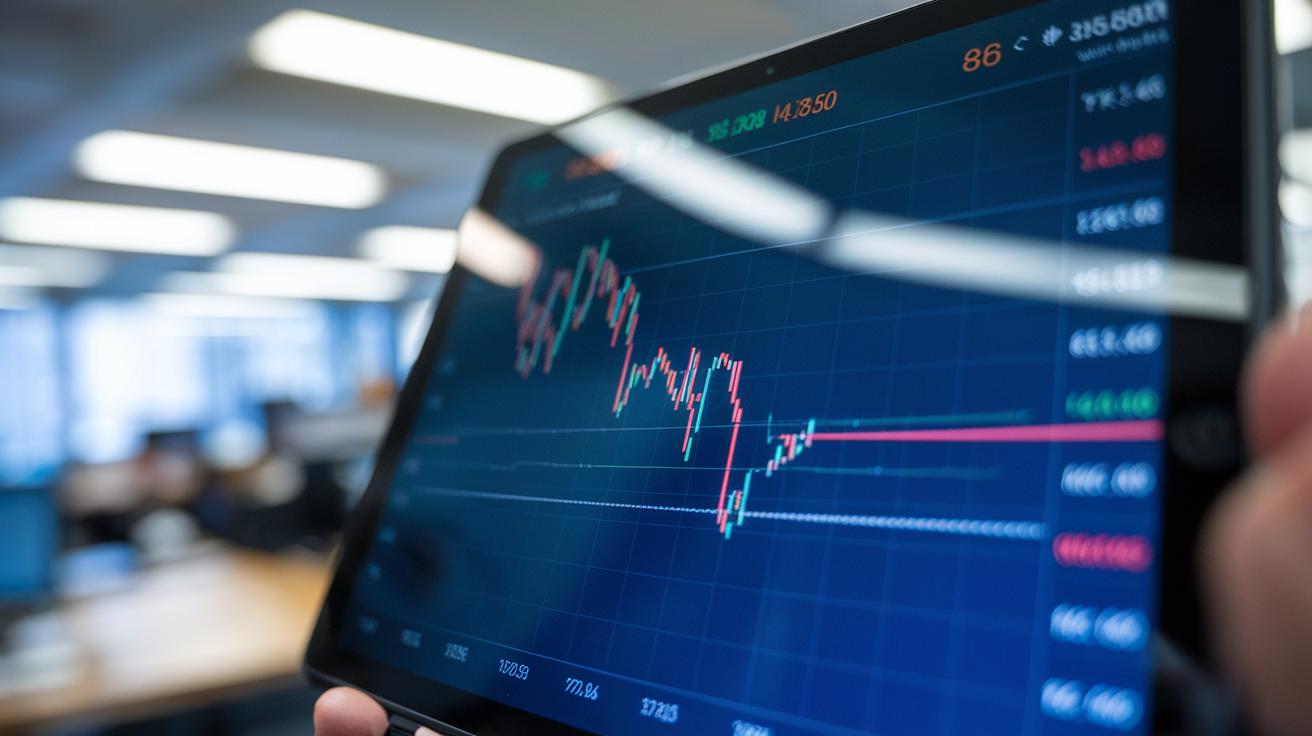
Bull and bear markets play a huge role in shaping investment returns. In a bull market, like the surge from 2010 to the present, stocks generally rise, fueling investor confidence and encouraging more buying, which keeps the cycle spinning. But, when a bear market hits, like the downturn in 2022, we see the opposite. Prices drop, fear takes over, and many investors pull out, locking in losses. Over the last 100 years, the S&P 500 has averaged a 10.57% return annually with dividends reinvested. This figure shows the importance of hanging tight through both bulls and bears to capture long-term gains.
Looking back, economic cycles have always left their mark on the market. The mid-1940s to mid-1960s, 1980s to 2000, and the period from 2010 onward were all times of major market gains. These periods often followed economic recoveries or technological advances that boosted growth. Economic slowdowns, like those seen during the dot-com bust and the 2008 financial crisis, typically lead to market declines. Understanding these cycles helps investors anticipate potential shifts and adjust their strategies accordingly.
| Year | S&P 500 Performance (%) |
|——|————————-|
| 2014 | 11.39 |
| 2015 | -0.73 |
| 2016 | 9.54 |
| 2017 | 19.42 |
| 2018 | -6.24 |
| 2019 | 28.88 |
| 2020 | 16.26 |
| 2021 | 26.89 |
| 2022 | -18.11 |
| 2023 | 27.11 |
Final Words
Exploring the highs and lows of historical returns on stocks vs. index investments over the last decade shows the S&P 500's solid annual return of 13.316%.
Sure, individual stocks can swing dramatically, sometimes doing much better or worse, but the steadiness of indices offers a clear picture of the market.
Significant economic swings impacted returns, emphasizing the perks of staying invested for the long haul.
As investors, understanding these patterns equips us for better decision-making.
Whether opting for active or passive strategies or carefully balancing risk—each approach holds potential.
Here's to navigating the financial landscape wisely!
FAQ
What is the average stock market return over the last 10 years?
The average stock market return over the last 10 years is about 13.2%. This is based on historical performance and considers fluctuations in the market.
How did the S&P 500 perform annually over the last 20 years?
The S&P 500 has experienced ups and downs, with an average annual return of around 10-13% depending on specific timeframes within those 20 years.
What's the average return for index funds over the last 10 years?
Index funds, like those tracking the S&P 500, generally reflect the market, averaging about 13.316% annually over the last decade.
How does average stock market return compare over the last 30 years?
Over a 30-year period, the stock market typically averages around 10% annually. Long-term investments generally yield steady returns despite short-term fluctuations.
What return can investors expect from stocks vs index over the last 10 years?
Stocks have shown an average annual return of about 13.2%, which is comparable to major indices like the S&P 500, barring exceptional performances by individual stocks.
What affected stock market returns over the last decade?
Several events, including market crashes and recoveries, impacted returns. Significant drops occurred, but the market bounced back, illustrating its resilience.
What trends have been observed in stock market performance over the past 10 years?
Over the last decade, markets have seen growth spurts with declines in crisis moments. Long-term investment generally remains favorable, with average returns around 10%.
How do active and passive investment strategies compare in effectiveness?
Active investing can bring higher returns but involves more risk. Meanwhile, passive investing in index funds averages over 10% annually, offering a less risky, long-term approach.
How important is diversification in managing investment risk?
Diversifying across various assets minimizes risk by spreading exposure. It helps protect against market downturns, ensuring a more balanced risk-to-return ratio.
