

Have you ever wondered what's brewing between the U.S. and Chinese firms? Well, it's more than just trade talk now. The U.S. is eyeing a ban on key Chinese companies, stirring quite a storm. Picture this: DJI, reigning over 75% of the U.S. drone scene, might soon face a no-fly zone. And TikTok? Its dance days could be numbered. So, what's fueling this tension? In this post, we'll unpack the drama, the players, and the possible outcomes—or, as I like to think of it, the digital chessboard in action. Curious? Let's dig in.
Companies Under Scrutiny: Potential US Bans on Chinese Firms
In the spotlight, a few Chinese companies are under U.S. scrutiny, facing possible bans. The focus is on firms that have substantial influence in their respective markets. These firms are seen as significant players in sectors that impact both consumer privacy and national security.
A notable example is DJI, a major Chinese drone company. Why is DJI targeted? They hold over 75% of the U.S. drone market, which raises red flags about national security. There's concern about how their drones, especially popular models like the Phantom, are used. TikTok is another company on the radar. The app's massive user base in the U.S. prompts worries about data privacy and how user information might be handled by its parent company, ByteDance. The scrutiny extends to other tech sectors, particularly those involving AI and semiconductors, which are critical to both commercial and military applications.
These potential bans are not far off. The U.S. has set a timeline, with an investment ban targeting China scheduled to take effect in January 2025. TikTok could face a ban as early as January 19, 2025. What's the significance of these dates? They mark a turning point in U.S.-China relations, potentially altering market dynamics and affecting consumers and industries on both sides.
National Security Concerns: Why the US is Considering Bans
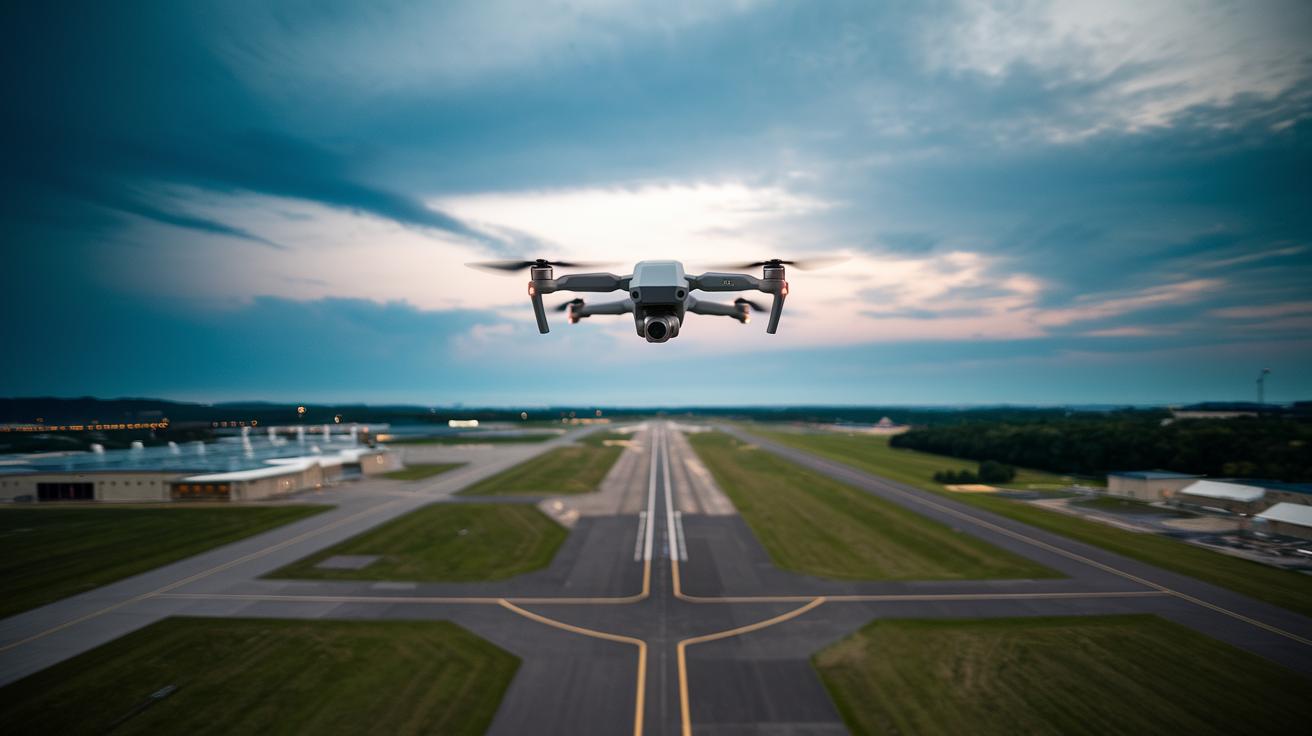
Why is the U.S. considering banning certain Chinese companies? The primary worry is national security. With Chinese firms like DJI dominating important sectors, there's fear over potential vulnerabilities. For instance, drones manufactured by DJI, which hold a significant share of the U.S. market, could pose risks if used for spying or data collection. The U.S. Commerce Department is actively reviewing these threats, seeking insights on the risks involved. Moreover, investments in Chinese tech, particularly those related to artificial intelligence and semiconductors, are under the microscope. The U.S. Treasury Department insists on rigorous due diligence to identify if these investments touch on sensitive technologies that might endanger national safety.
- Cybersecurity vulnerabilities
- Potential military applications
- Intellectual property risks
- Data privacy issues
- Dependence on foreign technology
Government initiatives are stepping up to counter these threats. Take the Pentagon's Blue UAS project, for example. It's an effort to foster U.S.-made, certified drones, ensuring they're secure for military use. This project is part of a broader strategy to reduce reliance on foreign tech, potentially minimizing the risks associated with Chinese products. By focusing on homegrown solutions, the U.S. aims to enhance its defense capabilities while addressing cybersecurity concerns. These moves highlight a proactive stance against potential threats, signaling a shift toward safeguarding critical infrastructure and national interests.
Economic Implications of Banning Chinese Companies
What are the direct economic effects of banning Chinese companies? The immediate impact is market disruption. When the U.S. targets firms like DJI or TikTok, it sends ripples through the economy. These companies are integral to their sectors, so their absence could create gaps in the market. Consumers might see fewer options and higher prices, especially in tech-heavy areas like drones and social media. The investment landscape changes too. U.S. investors might pull back, wary of putting money into industries facing potential bans. This cautious approach affects capital flows and can lead to a slowdown in innovation and growth.
How might such bans impact global trade dynamics? It could strain the already tense U.S.-China trade relations. When the U.S. restricts Chinese companies, China might retaliate with its own set of bans or tariffs. This tit-for-tat can lead to a trade war, hurting both economies. Global supply chains, which often rely on Chinese manufacturing and American technology, could get tangled. Companies worldwide might need to reconsider their sourcing and production strategies, potentially leading to increased costs and longer delivery times. These shifts can ripple through international markets, affecting global trade stability and economic growth.
What broader economic shifts could occur? One major change is in investment flows. The finalized outbound investment regime regulating U.S. investments in Chinese sectors means investors are more cautious. They're re-evaluating where to put their money, possibly redirecting it toward less risky markets. Stock market reactions are another concern. For instance, the rise of DeepSeek has already wiped out nearly $1 trillion in value from U.S. tech stocks. Such volatility can unsettle investors, leading to a more conservative approach in future trading. Overall, these bans could reshape the economic landscape, affecting everything from consumer choices to global trade policies.
US Government Policies and Legislative Developments
The U.S. is gearing up to implement an investment ban targeting China, effective January 2025. This ban zeroes in on sensitive technologies like AI and semiconductors, areas deemed crucial for national security. The regulations apply to U.S. persons and any foreign entities they control. This means if you're a U.S. investor, you need to be cautious about where your money goes. The U.S. government wants to ensure these investments don't inadvertently bolster Chinese tech sectors that might pose a threat.
Legislatively, a two-tiered system has been introduced to oversee a broad range of investment activities. What's this about? Well, the goal is to balance security concerns with economic interests. It requires investors to conduct due diligence, making sure their investments don't cross into restricted areas. This approach aims to minimize disruptions while safeguarding U.S. interests. The compliance requirements are quite detailed, prompting a need to stay informed and prepared.
|Policy Aspect|Description|
|—|—|
|Investment Ban|Targets sensitive technologies.|
|Regulatory Scope|Includes US persons and entities.|
|Compliance System|Two-tiered regulatory approach.|
Potential Consequences and International Trade Dynamics
What happens if the U.S. goes ahead with banning Chinese companies like TikTok? One immediate effect could be a shake-up in market reactions and trade patterns. TikTok, for instance, is valued between $40 and $50 billion, according to Bloomberg Intelligence. That's huge! If the U.S. bans TikTok, we might see a significant shift in app download trends. Users could start flocking to other platforms, possibly altering the social media landscape. Meanwhile, Chinese companies might look for new markets, diversifying their reach to lessen dependence on the U.S. This can lead to a reconfiguration of trade routes, with countries adjusting their strategies to either fill the void or leverage new opportunities.
Strategically, these bans could play a pivotal role in redefining international trade relations and technology sectors. The restrictions might push China to become more self-reliant, accelerating advancements in its own tech industries. On the flip side, U.S. companies could face challenges accessing Chinese markets, which might restrict growth and innovation. These dynamics could compel global tech companies to reconsider their supply chains, perhaps shifting operations to avoid disruptions. The tech sector, already competitive, could become even more fragmented as nations prioritize national security over globalization.
Speculation abounds around possible outcomes, like company acquisitions or changes in consumer habits. Take the buzz about Elon Musk's company, X, potentially acquiring TikTok's U.S. operations. This move could reshape the competitive landscape, enticing advertisers and consumers alike. Additionally, shifts in consumer behavior might emerge, with users exploring new platforms or tech solutions. Such changes could alter how we interact with digital content daily, underscoring the broader impact of these potential bans on technology and trade.
Final Words
Exploring the potential bans on Chinese companies shows how deeply connected the issues of trade, security, and technology have become. The companies US considers banning, like DJI and TikTok, represent larger worries about national security and economic dependence. The impact of these bans is not just on the companies themselves but also on global markets and trade dynamics.
National security, economic shifts, and government policies all play crucial roles in this landscape. As these discussions evolve, the balance between security and open trade continues to shape international relationships. The road ahead is challenging but full of opportunities to redefine these connections in today's world.
FAQ
What Chinese companies are under potential U.S. ban consideration?
The U.S. is considering banning Chinese companies, mainly focusing on DJI drones and the popular app TikTok due to security and data concerns.
Why is the U.S. thinking of banning Chinese firms?
The U.S. is considering bans due to national security risks, including potential threats in cybersecurity, military usage, intellectual property, privacy issues, and dependence on non-domestic technology.
How might these potential bans affect the economy?
Banning Chinese firms could disrupt markets, alter global trade dynamics, and lead to shifts in investment patterns, affecting tech stocks and international economic relations.
What U.S. policies are being developed regarding Chinese companies?
The U.S. is crafting policies that include investment bans, especially in sensitive technology areas, with a two-tier regulatory system impacting both U.S. and foreign entities related to these sectors.
What could be the global trade impacts if the U.S. bans Chinese firms?
Potential U.S. bans might lead to international market shifts, changing app download patterns, affecting trade relations, and sparking strategic moves like corporate acquisitions to adapt to new trade dynamics.
