

Ever wonder why Apple Vision Pro didn't quite become the talk of the town? The Vision Pro, Apple’s flashy mixed reality headset, aimed to shake things up in the tech world. Yet, since its February 2024 launch, it's been a bit of a rollercoaster. Sure, the hardware wowed everyone—there were whispers of the impressive OLED displays and nifty cameras. But the software? Not so much. It's a mixed bag where development hit a snag, leaving us with more questions than answers. Curious to know the full story? Let's dig into what really happened.
Recent Developments in Apple Vision Pro
The Apple Vision Pro launched in February 2024, with Apple setting high expectations for its mixed reality headset. They aimed to lead the spatial computing market, promising a revolutionary experience. But, what happened with Apple Vision Pro? It's been six months, and while the hardware is still praised for its futuristic design, software development hasn't kept pace. This has frustrated users and led to a downgraded product rating. The delay in software updates has stalled the dynamic growth many anticipated, highlighting the challenges in meeting market expectations.
- Two OLED displays with 23 million pixels
- 12 cameras
- Five sensors
- Six microphones
- M2 chip
Now, let's talk about how it's doing. Sales have been lackluster, with only a few units moving each week at some stores. This slow performance reflects the struggle to gain traction in the market. The lack of new content and native apps hasn't helped either, with just about 30 minutes of immersive video content added over six months. While some users are still excited about its potential, its reception has been tepid, prompting Apple to rethink their strategy for future updates and enhancements.
Apple Vision Pro Features and Design
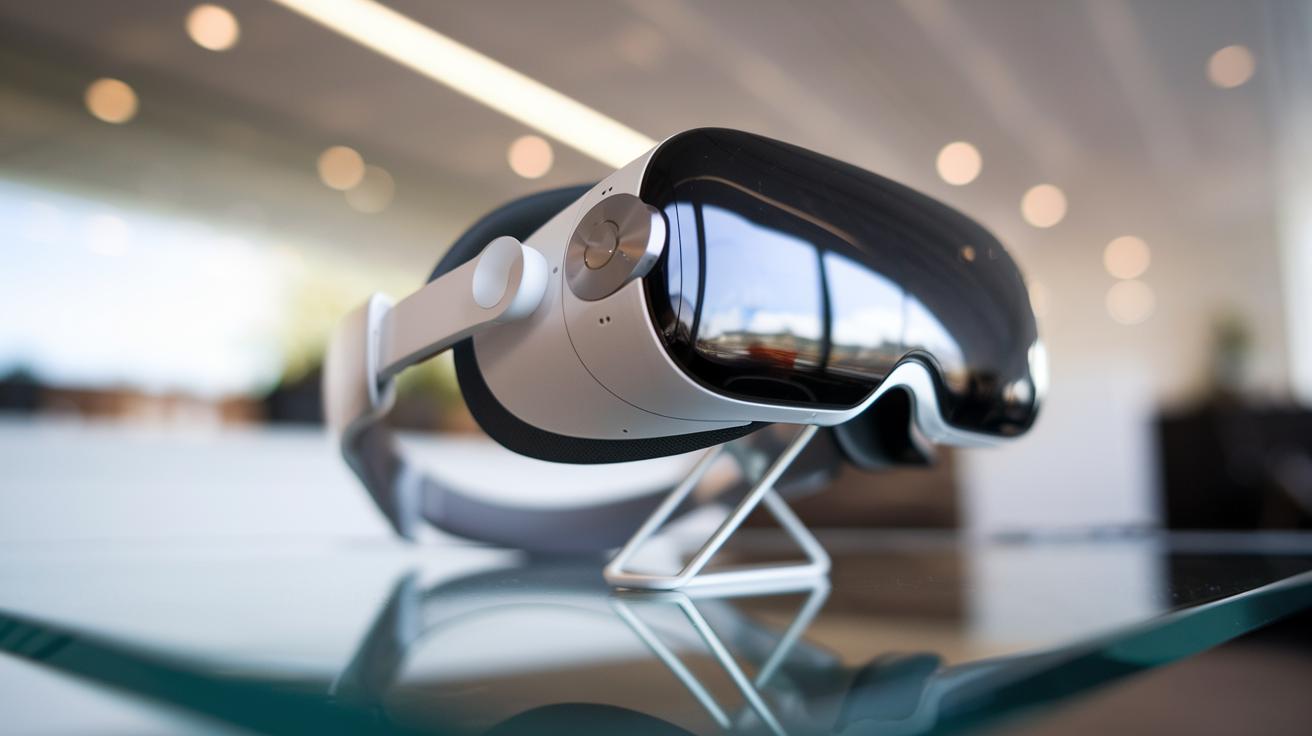
The Apple Vision Pro, an augmented reality headset, boasts some impressive specifications. It includes two OLED displays with a whopping 23 million pixels, 12 cameras, five sensors, six microphones, and the powerful M2 chip. These features set a high bar for what users can expect in terms of performance and capability. Yet, the headset isn't without its challenges, especially in areas like display brightness and comfort.
Display
The Vision Pro's OLED displays are a highlight, offering a resolution that seems more than adequate on paper. However, there's a notable issue with brightness levels. For true HDR (high dynamic range) content, more brightness is needed. Users have noticed that the current panels lose about 90% of light transmission through the lenses. This means that while the resolution is high, the overall viewing experience might not live up to the expectations of those seeking fully vivid and lifelike visuals.
Cameras and Sensors
With a total of 12 cameras and five sensors, the Vision Pro is well-equipped to capture and interpret the surrounding environment. These components are crucial for creating an immersive augmented reality experience. But it's not all perfect. The pass-through camera, which allows users to see their real-world surroundings while wearing the headset, has its limitations. Users have reported the feed as grainy and low-resolution. This detracts from the immersion, often pushing users to prefer staying within virtual environments where the visuals are more controlled and less reliant on camera quality.
Comfort
Comfort is a significant issue for the Vision Pro. The headset is heavy, and it requires a fair amount of facial pressure to keep it stable during use. This can lead to discomfort during extended sessions. Thankfully, third-party headbands have stepped in to offer some relief. These headbands improve stability and distribute the weight more evenly, making the device more comfortable. Additionally, Apple has partnered with ResMed to create a better strap, showing their commitment to addressing user feedback and enhancing the overall experience.
Market Reception and User Feedback
When the Apple Vision Pro launched, the expectations were sky-high. Many believed it would redefine how we interact with technology, offering a glimpse into the future of computing. Apple aimed to position it as a must-have for tech enthusiasts and professionals alike. But the market's response was lukewarm. Why? It turns out that while it dazzled with its tech specs, it didn't quite capture the mass market's imagination. Sales figures hover around 400,000 units, a far cry from the blockbuster success Apple hoped for.
User feedback paints an interesting picture. Initial experiences with the Vision Pro were overwhelmingly positive. People loved the immersive aspects, with many noting how it felt like stepping into a new world. But that excitement quickly waned. The lack of native apps and fresh content became glaring issues. Users found themselves with an impressive piece of hardware that didn't have enough substance to keep them engaged. Many users were left wondering if this was a device ahead of its time or one still searching for its true purpose.
| Aspect | User Reaction |
|---|---|
| Initial Experience | Positive |
| App Availability | Limited |
| Content Offerings | Insufficient |
| Comfort | Mixed |
| Price | High |
This mixed reception forced Apple to rethink its strategy. They realized that simply having cutting-edge technology wasn't enough. There needed to be a robust ecosystem of apps and content to truly capture users' hearts and wallets. The high price tag didn't help either, putting it out of reach for many potential buyers. Apple now faces the challenge of refining the Vision Pro, ensuring that it not only wows with its specs but also meets the everyday needs and expectations of its users.
Software Integration and App Ecosystem
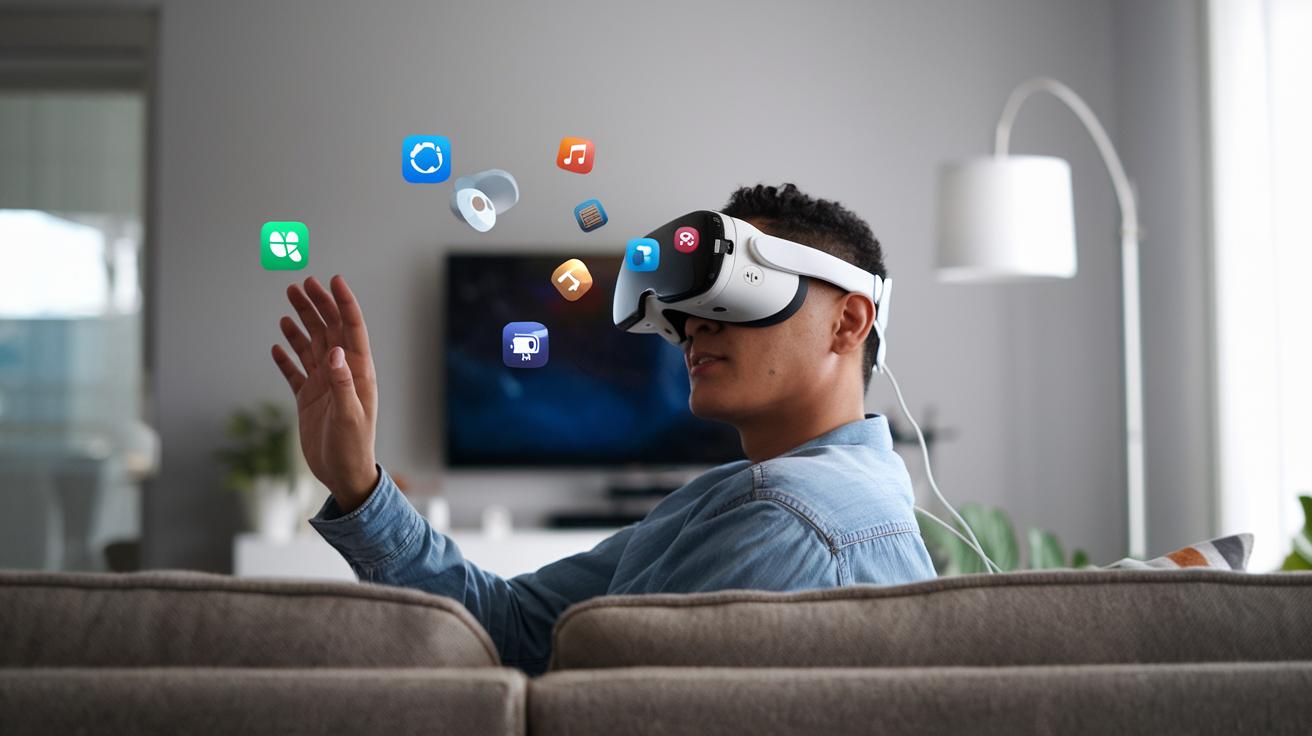
The current state of the Vision Pro's app compatibility and user interface is a bit of a mixed bag. The Vision Pro's app library is growing slowly, and it's clear many apps lack updates. Why is this a problem? Well, without regular updates, apps can't take full advantage of the hardware's capabilities. This gap between potential and reality is frustrating for users who expected more seamless integration. VisionOS 2 was a major update aimed at addressing such issues, but the lack of new content and fresh features still lingers. Users are finding that while the interface looks sleek and modern, it doesn't always deliver the smooth experience they hoped for.
Gaming and Entertainment
The gaming and entertainment scene on the Vision Pro is another area where expectations haven't quite met reality. Most of the games available are simple 2D ports, which isn't what users envisioned when thinking about immersive content. Imagine stepping into a world where the games are supposed to surround you, but instead, they feel flat and uninspiring. That's the current situation. Users expected room-scale VR (virtual reality) and more engaging content, but those remain largely absent. It's like having a high-definition TV and watching only low-quality videos—disappointing, right?
- Vision Pro Theater
- Spatial Photo Viewer
- Virtual Desktop
- Fitness AR
- Art Studio VR
Looking forward, Apple has some ambitious goals for software development and integration. They aim to expand the app library significantly, with a focus on encouraging developers to create more immersive and innovative applications. The future also holds the promise of better AI integration, which could enhance user interactions and overall experience. They're working on making the Vision Pro not just a device, but a platform that people can't imagine living without. Whether they'll hit this target remains to be seen, but the intent is there, and that's a start.
Future Outlook for Apple Vision Pro
Apple is pushing forward with significant updates for the Vision Pro, with visionOS 3.0 in the works. This update promises to refine the user experience, focusing on smoother software integration and expanded functionality. On the hardware front, Apple is exploring improvements that address current user feedback, particularly around comfort and usability. Meanwhile, a more affordable model, known as the N109, is on the horizon with a projected release by 2027. This model aims to broaden the user base by making mixed reality more accessible. The tech community is watching closely, eager to see how these enhancements will shape the product's evolution.
- Enhanced AI capabilities
- Improved comfort and weight distribution
- Expanded app library
- Increased HDR display brightness
- Greater developer support
Market predictions suggest a cautious optimism for the Vision Pro's future. While the current model hasn't hit mass-market appeal, the anticipated updates and a lower-cost alternative could change that narrative. Challenges remain, particularly in convincing consumers of the headset's everyday utility. Apple's strategy will need to address these concerns head-on, ensuring that the Vision Pro is not just a niche gadget but a vital part of daily tech interactions. The company's ability to foster a robust ecosystem of apps and content will be crucial in turning the Vision Pro into a must-have device for a broader audience.
Final Words
The Apple Vision Pro set out to reshape spatial computing, boasting impressive hardware and aiming for a grand entrance in the mixed reality scene. Yet, what happened with Apple Vision Pro wasn't quite the triumph anticipated. Early enthusiasm met with challenges like slow software growth and user comfort issues.
Though its technological wonders enchant some, broader success needs more apps and a lower price. Apple's ongoing efforts, like upcoming updates and a new headset model, signal commitment. Here's hoping these tweaks usher in a brighter chapter for Vision Pro enthusiasts.
FAQ
What happened with Apple Vision Pro?
The Vision Pro recently launched with high hopes, but faced challenges. Its impressive hardware received praise, yet software stagnation and limited app availability have impacted its success. Sales also aren't as strong as expected.
Apple Vision Pro release date
Apple released the Vision Pro in February 2024. The mixed reality headset aimed to lead in the spatial computing market.
Did Apple stop making Apple Vision Pro?
Apple has not stopped producing the Vision Pro. However, market reception is influencing Apple's strategy, prompting them to reassess future plans and improve the overall experience.
Why did the Apple Vision Pro fail?
The Vision Pro hasn't been fully embraced because of its high price, lack of native apps, and insufficient content offerings, despite being a technological marvel.
Apple Vision Pro price
The Vision Pro is priced high, reflecting its advanced tech. This cost can be a barrier for many potential buyers.
Will Apple release Vision Pro 2?
Apple has not announced a Vision Pro 2 yet, but they are working on updates and refining the current model. The future might bring more versions, but details remain unclear.
How are sales of Apple Vision Pro doing?
Sales of the Vision Pro have been lower than anticipated, with estimates around 400,000 units. Market response has prompted Apple to reconsider strategies.
Apple Vision Pro review
Initial reviews highlight its impressive hardware, including stunning displays and rich sensors, but point out software and comfort issues. Overall, it's a mixed bag of feedback from users.
